

Water-related issues can be a homeowner's worst nightmare, causing not only immediate discomfort but also long-term structural issues if not addressed promptly. The risks of leaks, flooding, and other water-related incidents are ever-present, making the need for a reliable water mitigation plan crucial for every household. Understanding the importance of acting swiftly and effectively can save you both time and money while protecting your home.
When it comes to trustworthy water mitigation, preparation is key. It involves not just reacting to water emergencies but also putting in place preventative measures that can protect your property from possible damage before it occurs. Developing a comprehensive plan will help you to identify vulnerabilities in your home, outline specific steps to take in case of water intrusion, and ensure that you have the necessary tools at your disposal to tackle any moisture challenges efficiently. By prioritizing trustworthy water mitigation strategies, you can enjoy security knowing that you are ready to protect your home from the unexpected.
Grasping Water Harm
Water damage takes place when additional water gathers in spaces where it can affect upon structures and substances. This may arise from various sources, including leaks from pipes, environmental catastrophes, or even moisture in the air. The existence of wetness can result in deteriorated foundations, mold growth, and degradation of material items, making it a major problem for homeowners and companies alike.
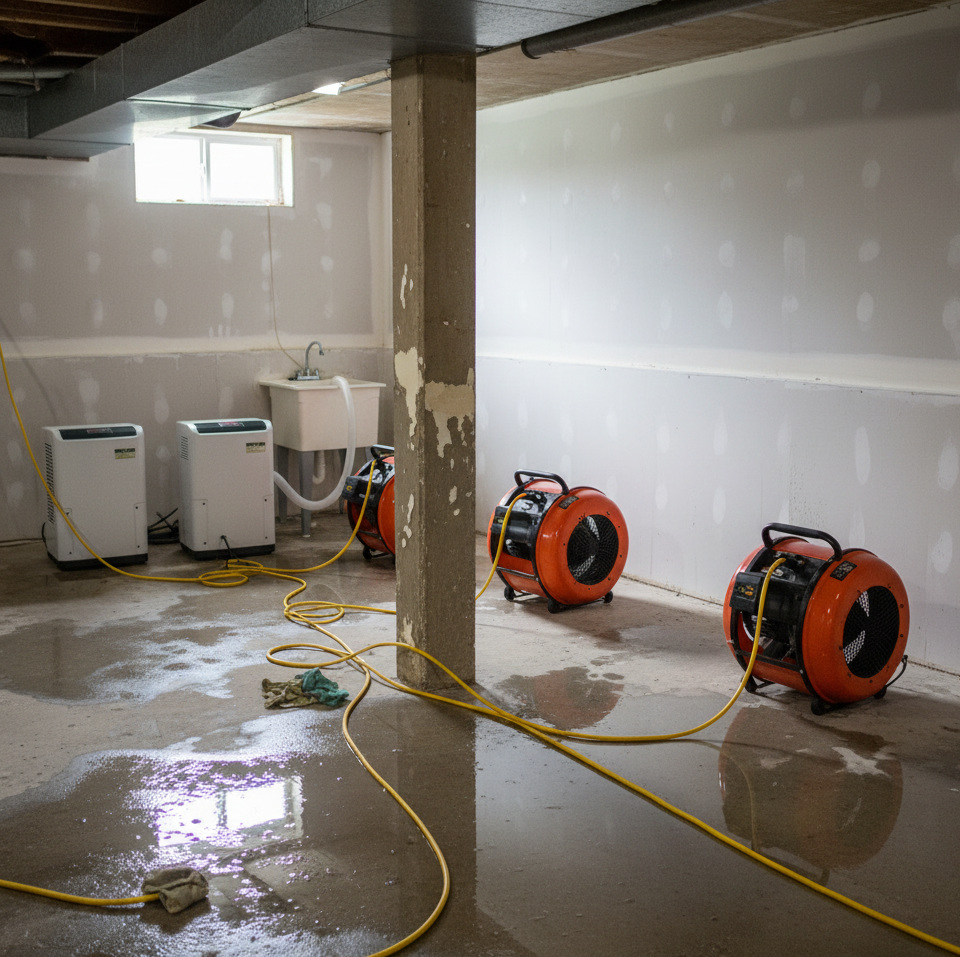
Recognizing the indicators of water damage in a timely manner is crucial for efficient mitigation. Frequent signs are color changes on ceilings or roof areas, musty odors, and swelling or deformation of items like lumber and drywall. Neglecting these indicators can result in more widespread issues and more expensive restorations. Understanding where to look and the signs to watch for can enable you address problems before they get worse.
Mitigating water damage requires proactive measures that focus on preserving your real estate and handling vulnerabilities. This comprises consistent evaluations of the plumbing infrastructure, adequate water flow management around the foundation, and the implementation of damp-proofing measures. By creating a dependable water damage prevention strategy, you can shield your space and lessen the likelihood of costly water damage in the long run.
Essential Mitigation Strategies
When it comes to effective water mitigation, preventive measures are key to staving off damage. One of the most efficient strategies is to regularly inspect and maintain your plumbing system. This includes looking for leaks in pipes, fixtures, and equipment, as well as confirming that your sump pump is operating properly. By taking care of small issues before they escalate, homeowners can protect themselves from costly overhauls and extensive water damage.
Another important strategy is to establish proper drainage around your property. This involves clearing gutters and downspouts regularly to stop clogs that can lead to overflow. Additionally, contouring water damage near Line Street Loganville to channel water away from your foundation is vital. Setting up French drains or utilizing landscaping techniques can efficiently redirect rainwater away, lessening the risk of seepage and flooding in basements or crawl spaces.
Finally, explore acquiring water detection systems and backflow preventers. These technologies can warn you to issues or unusual water flow in real-time, allowing for swift action. By incorporating smart home solutions that monitor humidity and water levels, you can keep ahead of potential issues. This mix of technology and preventive maintenance forms the backbone of a sound water mitigation plan.
Formulating a Reaction Plan
Creating a comprehensive response plan is vital for efficient water mitigation. Begin by identifying potential origins of water loss in your home or business, such as leaky pipes, inundation, or appliance failures. Carry out a comprehensive inspection of your property and create a catalog of vulnerable areas that require additional attention. This preventative approach allows for swift action when challenges arise, minimizing the consequences of water damage.
Afterward, gather a crew that will be tasked for carrying out the reaction plan. This can include family members, workers, or contractors who are skilled in water mitigation techniques. Clearly define roles and assignments, ensuring that everyone is informed of the procedures to follow in the event of a water emergency. Regular training and drills can improve preparedness and boost confidence in responding efficiently to water issues cases.
In conclusion, ensure that your reaction strategy includes contact strategies. Designate a point of contact who will coordinate efforts and keep everyone updated during a water incident. Having a well-defined communication path will help simplify the response process and provide news on the situation. Remember to keep your emergency contact information accessible and maintain relationships with local water loss professionals for support when needed.